

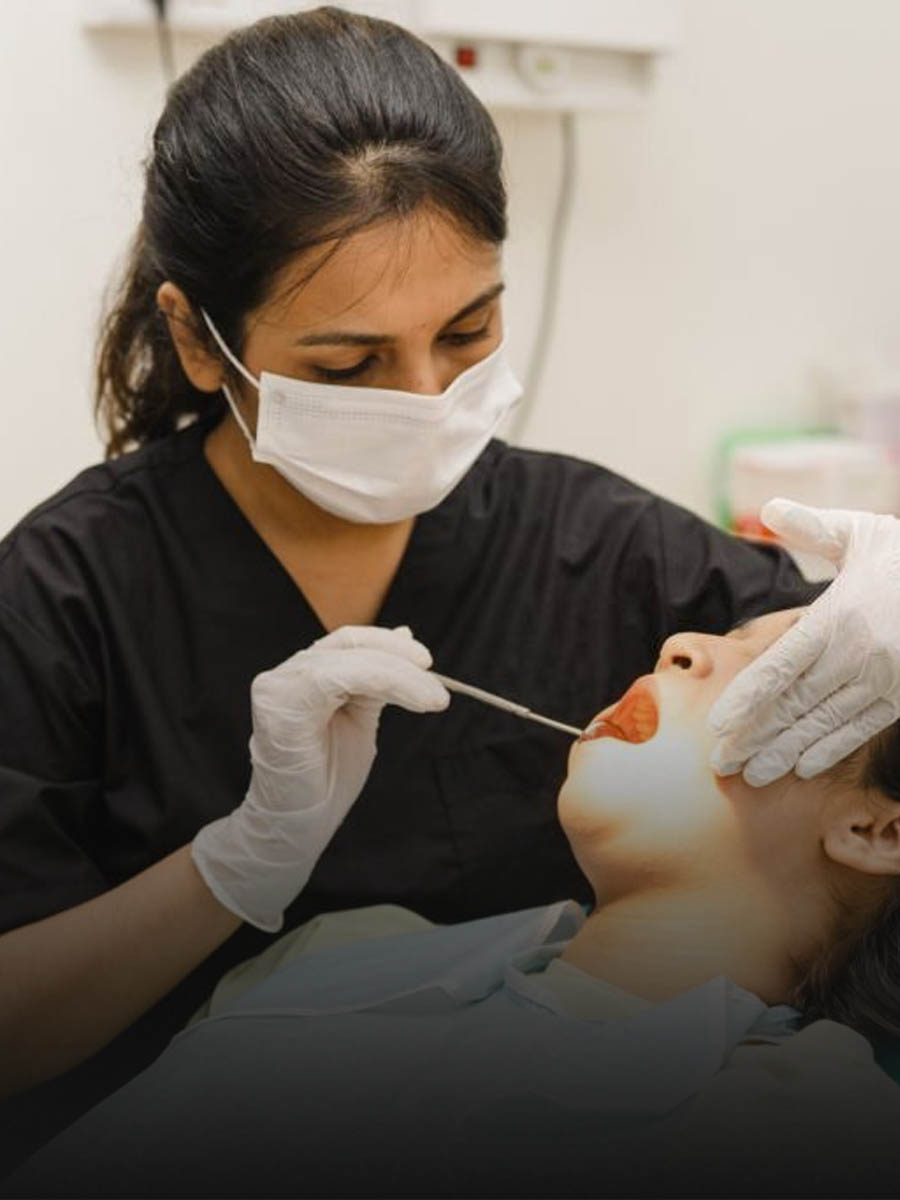
The early identification of concealed oral health concerns is a foundational pillar of contemporary dental practice, driven by the understanding that many pathological processes develop quietly long before discomfort arises. Dentists employ a disciplined and methodical approach that blends observational acuity with scientific instrumentation, allowing subtle anomalies to be recognized at their inception. This proactive vigilance is not limited to cavities or visible inflammation, but extends to microscopic tissue alterations, mineral density fluctuations, and early inflammatory responses that signal future deterioration. By focusing on anticipatory detection rather than reactive treatment, dental professionals safeguard both oral integrity and systemic wellness. The mouth is treated as a diagnostic gateway, where early indicators of imbalance can be observed and addressed with precision. Such foresight minimizes invasive intervention and supports long term functional stability, reflecting a philosophy of care rooted in prevention, foresight, and clinical discernment rather than symptomatic repair alone.
Comprehensive Visual Examination Beyond the Obvious
A meticulous visual examination remains one of the most potent diagnostic tools when executed with trained perception and structured intent. Dentists evaluate enamel translucency, gingival contour, mucosal coloration, and subtle textural irregularities that may escape untrained observation. Changes in symmetry, minor swelling, or faint discoloration often indicate underlying pathology that has not yet produced overt symptoms. This evaluative process involves controlled lighting, magnification, and deliberate pacing, ensuring that no region of the oral cavity is overlooked. The examination extends to the tongue, palate, and inner cheeks, areas frequently neglected by patients but rich in diagnostic information. Through years of clinical exposure, dentists develop pattern recognition that allows early differentiation between benign variation and emerging disease. This visual literacy transforms routine examinations into sophisticated assessments capable of uncovering hidden issues before they evolve into complex clinical challenges.
Advanced Radiographic Imaging and Interpretive Precision
Radiographic imaging provides an indispensable window into structures concealed beneath soft tissue and bone, revealing conditions invisible to surface inspection. Dentists utilize targeted imaging techniques to evaluate tooth roots, jawbone density, and interproximal spaces where decay often initiates. Interpretation requires more than technical proficiency, demanding an analytical mindset capable of discerning minute contrasts and gradations within the image. Early bone loss, incipient lesions, and developmental irregularities manifest as subtle radiographic cues that require contextual understanding to interpret accurately. Dentists correlate these findings with clinical observations to form a cohesive diagnostic narrative. This synthesis of visual and radiographic data allows for early intervention strategies that preserve structural integrity. The judicious use of imaging enhances diagnostic confidence while minimizing unnecessary exposure, underscoring a commitment to precision and patient centered care.
Periodontal Probing and Subgingival Assessment
Periodontal health often deteriorates silently, making systematic probing an essential component of early detection. Dentists measure gingival pocket depths to assess the integrity of the supporting structures that anchor teeth within the jaw. Slight increases in depth or bleeding response can indicate the onset of inflammatory processes that compromise long term stability. This assessment extends beneath the gumline, where pathogenic activity frequently begins beyond visual reach. Dentists evaluate tissue resilience, attachment levels, and inflammatory markers to construct a comprehensive periodontal profile. Early identification of subgingival changes enables conservative management through targeted hygiene strategies and localized therapy. By addressing periodontal concerns at an early stage, dentists prevent progression that could otherwise lead to tooth mobility or systemic inflammatory burden, reinforcing the interconnected nature of oral and overall health.
Salivary Diagnostics and Microbial Analysis
Saliva serves as a biochemical reservoir rich with diagnostic potential, offering insight into microbial balance, immune response, and metabolic activity. Dentists analyze salivary composition to detect shifts that precede visible disease, such as changes in acidity or bacterial concentration associated with decay and gum inflammation. These assessments provide a non invasive means of evaluating risk factors and identifying patients predisposed to specific conditions. Microbial profiling allows dentists to understand the ecological dynamics within the oral environment, recognizing when harmful species gain dominance. This information informs personalized preventive strategies tailored to individual biological tendencies. By leveraging salivary diagnostics, dental professionals move beyond surface level evaluation and engage with the molecular underpinnings of oral disease, enabling early and precise intervention grounded in biological evidence.
Digital Intraoral Technologies and Optical Enhancement
Technological innovation has expanded the diagnostic repertoire through digital intraoral devices that enhance visualization and detection accuracy. High resolution imaging systems capture detailed views of tooth surfaces and soft tissues, magnifying features that might otherwise remain unnoticed. Optical enhancement techniques reveal variations in light reflection that correspond to early mineral loss or structural compromise. These technologies support documentation and longitudinal comparison, allowing dentists to track subtle changes over time with remarkable fidelity. The integration of digital tools augments clinical judgment rather than replacing it, providing corroborative evidence that refines diagnostic decisions. Patients benefit from clearer communication and a deeper understanding of their oral condition, fostering engagement and adherence to preventive recommendations. Through thoughtful application of digital advancements, dentists elevate early detection to a new standard of clarity and precision.
Patient History Correlation and Risk Pattern Recognition
An accurate diagnosis is rarely confined to physical findings alone, as patient history provides essential context that shapes interpretation. Dentists evaluate lifestyle factors, medical conditions, and previous dental experiences to identify patterns that influence oral health trajectory. Nutritional habits, medication use, and stress levels can all manifest subtly within the oral environment before overt symptoms arise. By correlating historical data with clinical observations, dentists discern risk profiles that signal susceptibility to hidden issues. This holistic analysis allows for anticipatory guidance and targeted monitoring tailored to individual circumstances. Recognizing these patterns transforms routine checkups into strategic evaluations that prioritize early detection. The integration of patient narrative with clinical science underscores the importance of personalized care in uncovering and addressing latent oral health concerns.
Preventive Screening Protocols and Continuoaus Monitoring
Early detection is sustained through structured screening protocols and ongoing monitoring that adapt to evolving needs. Dentists establish regular assessment intervals designed to capture incremental changes before they escalate. These protocols incorporate visual evaluation, imaging, periodontal assessment, and biological analysis in a cohesive framework. Continuous monitoring allows dentists to refine preventive strategies and intervene promptly when deviations occur. This dynamic approach emphasizes vigilance rather than complacency, ensuring that hidden issues are addressed at their earliest manifestation. By maintaining consistency and methodological rigor, dental professionals create a protective continuum of care. The result is a proactive partnership that preserves oral health, reduces treatment complexity, and reinforces the value of early detection as a cornerstone of modern dentistry.
About The Author

Leave a Reply